

Lower Extremity
Lymphedema Compression Wraps For Legs - Velcro Compression Wraps
We have a large selection of compression wraps for legs that are considered "compression alternatives", because they differ from regular compression stockings by utilizing adjustable Velcro straps to provide a wider range of compression than other traditional compression garments. Easy to put on and adjust, compression wraps for legs and feet provide steady and comfortable resting compression, as well as higher working compression when you are active.
Read our comprehensive guide to adjustable Velcro compression wraps for lymphedema and venous disease.
Shop all of our compression wraps for legs / lymphedema compression wraps for legs and feet with pre-tax savings using your FSA or HSA account!
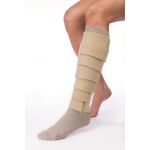
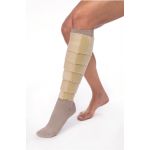
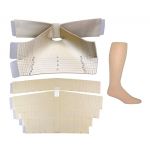
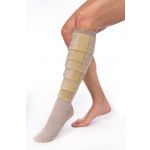
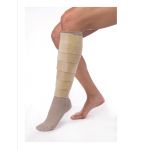
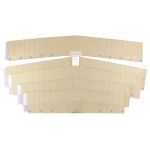
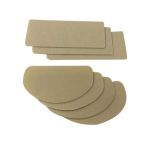
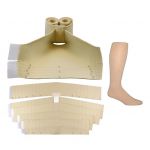
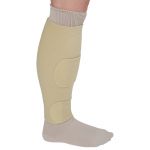
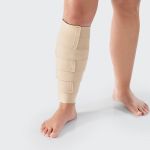
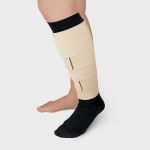
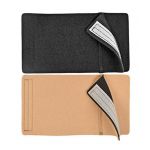
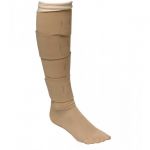
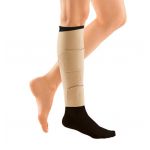
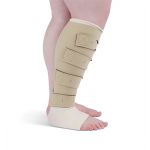
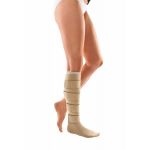
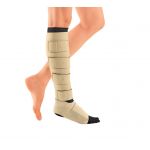
Compression Wraps, Lymphedema Wraps For Legs, Compression Wraps For Legs, Calf Compression Wrap
Compression Wraps For Lymphedema, Lymphedema Wraps, Lymphedema Leg Wraps, Velcro Leg Wraps For Lymphedema, And More
Compression wraps for legs and feet are specialized medical products that are designed to manage and alleviate the symptoms of lymphedema, edema and venous disease. By applying controlled pressure to the affected areas of the leg and feet, these compression wraps help promote the flow of lymph fluids, blood flow within the venous system, and help reduce edema (swelling) in the legs and feet.
When used as lymphedema wraps, a leg compression wrap is usually worn after completion of lymphedema complete decongestive therapy (CDT) and during the secondary or "maintenance" phase of lymphedema treatment.
When used to treat venous conditions such as venous disease, these compression wraps for legs and feet are worn to provide gradient compression to help promote the flow of blood through the venous system, helping to prevent the development or advancement of more severe circulatory-related illness. A Velcro compression wrap is also ideally suited for applying compression to help treat chronic wounds such as venous ulcerations.
These types of compression wraps for legs are easy to apply and can be worn as an alternative for patients who:
- Struggle donning traditional compression garments, due to weak hand strength, bad back or inability to bend
- Have non-standard leg shapes
- Have fragile skin or painful legs that are easily aggravated by traditional compression garments for legs
- Suffer from frequent swelling fluctuation in their legs
- Suffer from arterial disease and therefore cannot tolerate constant high compression levels
Unlike traditional compression stockings, velcro compression wraps are adjustable, which makes them an ideal choice for people who have difficulty putting on stockings and/or who are experiencing fluctuating levels of edema.
Our selection of compression wraps for legs includes:
- Velcro compression wraps for legs
- Compression wraps for thighs
- Compression wraps for knees
- Compression wraps for calves
- Compression wraps for ankles
- Compression wraps for feet
- Compression wraps for toes
Velcro Compression Wraps For Legs
Many of our compression wraps for legs have Velcro straps, which make the leg wraps easy to put on, take off, and use. Thanks to the Velcro straps on the compression wraps, you can easily customize the fit and compression level of the wrap. The Velcro straps allow you to make micro adjustments to ensure that you are getting the maximum therapeutic effect from the compression wrap, while still feeling comfortable. Velcro compression wraps for legs are particularly helpful if you have fluctuating swelling and/or mobility or dexterity issues.
Thigh Compression Wraps
Our selection of compression wraps for thighs includes FarrowWrap, Compreflex, ReadyWrap, Comprefit, and Juzo wraps and liners. The thigh compression wraps are available in different levels of compression (20-30 mmHg and 30-40 mmHg). Most of the thigh compression wraps include Velcro straps, which make the thigh wraps easy to put on, take off, and adjust. The thigh compression wraps are most commonly used to treat lymphedema, edema, and other causes of swelling.
Knee Compression Wraps
Our selection of compression wraps for knees includes Compreflex, Compreknee, FarrowWrap, ReadyWrap, Juzo, and Circaid wraps and products. The knee compression wraps are available in different levels of compression (20-30 mmHg and 30-40 mmHg), and they vary in length (from short knee wraps to knee wraps that also cover part of the thigh and calf). Most of the knee compression wraps have Velcro straps, which make the knee wraps easy to put on, take off, and adjust. The knee compression wraps are most commonly used to treat lymphedema, edema, and other causes of swelling.
Calf Compression Wraps
Our selection of compression wraps for the calf includes ReadyWrap, Compreflex, Comprefit, Coolflex, Medaform, Juzo, and Ease Adjust wraps and products. The calf compression wraps are available in different levels of compression (20-30 mmHg and 30-40 mmHg). The calf compression wraps range from thin, lightweight wraps to more robust wraps, some of which also cover the ankle and foot. Most of the calf compression wraps have Velcro straps, which make the calf wraps easy to put on, take off, and adjust. The calf compression wraps are most commonly used to treat lymphedema, edema, and other causes of swelling.
Ankle Compression Wraps
Our selection of compression wraps for ankles includes Circaid, Juzo, and Solaris wraps and compression socks. The ankle compression wraps range from thin, lightweight wraps and compression socks to more robust ankle wraps that have multiple adjustable straps. Most of the ankle compression wraps have Velcro straps, which make the ankle wraps easy to put on, take off, and adjust. The ankle compression wraps are most commonly used to treat lymphedema, edema, and other causes of swelling.
Foot Compression Wraps
Our selection of compression wraps for the foot includes FarrowWrap, Circaid, ReadyWrap, Compreflex, Coolflex, Juzo, and Compreboot wraps and products. The foot compression wraps range from thin, lightweight wraps and trim-to-fit footpieces to more robust foot wraps that have multiple adjustable straps. Most of the foot compression wraps have Velcro straps, which make the foot wraps easy to put on, take off, and adjust. The foot compression wraps are most commonly used to treat lymphedema, edema, and other causes of swelling.
Toe Compression Wraps And Caps
Our selection of compression wraps for toes includes ReadyWrap and Circaid wraps and caps. The toe compression wraps have Velcro straps, which make the toe wraps easy to put on, take off, and adjust. The toe caps can be trimmed to size and allow the foot and toes to move freely. The toe compression wraps and toe caps are most commonly used to treat lymphedema, edema, and other causes of swelling.
••••••••••••••••••••••••••••••••••••
FAQs About Compression Wraps / Lymphedema Wraps
Compression wraps help reduce swelling in the legs and are often used to treat lymphedema, edema, chronic venous insufficiency, post-surgical swelling, and other medical conditions. Below are some of the most frequently asked questions about compression wraps for legs (which are also sometimes referred to as Velcro compression wraps or lymphedema wraps).
Are There Different Types of Compression Wraps For Lymphedema And Venous Disease
- No, there are not specific different types of medical compression wraps for lymphedema and venous disease. All compression leg wraps are designed to apply graduated compression to the leg. These compression wraps for legs can help promote lymphatic and venous flow, and reduce swelling and discomfort.
What Kind Of Venous Diseases Do Compression Wraps For Legs Help Treat
- Compression leg wraps are ideal for helping treat
varicose veins, venous insufficiency, chronic venous insufficiency (CVI), deep vein thrombosis (DVT) and chronic wounds such as venous ulcerations.
How Do Compression Wraps Help With Lymphedema
- When used as lymphedema wraps, compression wraps are designed to apply graduated compression to the lower leg, in order to promote lymphatic flow and help reduce swelling and discomfort.
Can A Compression Wrap Prevent Lymphedema
- Compression wraps cannot help prevent the onset of lymphedema, but they can help manage the symptoms and help prevent the progression of lymphedema.
What Are The Most Common Levels Of Compression Provided By Compression Wraps
- Compression wraps can be adjusted as to the amount of pressure they apply to the lower leg, measured in millimeters of mercury (mmHg). The levels of compression can vary in compression stockings, but the most common compression levels are:
- 15-20 mmHg (mild compression)
- 20-30 mmHg (moderate compression)
- 30-40 mmHg (firm compression)
- 40-50 mmHg (extra firm compression)
What Does mmHg Mean In Regards To Compression Wraps
- In compression wraps, mmHg stands for millimeters of mercury and represents the level of pressure (compression) the stockings apply to your legs. This term is borrowed from the same unit used to measure blood pressure, indicating the amount of pressure against the walls of your blood vessels. The higher the mmHg number, the higher the level of compression.
What Does Graduated Compression Mean In Compression Wraps
- Compression wraps are designed to provide graduated compression, which means that the pressure is highest at your ankle and gradually decreases as it moves up your leg. This design on the wraps helps to promote the flow of blood back towards the heart, which can reduce swelling and prevent the accumulation of fluid in your leg tissues.
How To Measure For Compression Wraps For Legs
- When it comes to measuring for compression wraps for legs, we have a compression wrap size chart from the manufacturer. For most leg compression wraps, you will take measurements at your ankle, at the widest part of your calf, and just below your knee. Your healthcare provider will recommend the compression level that you should use with the compression wrap.
Can I Exercise While Wearing Compression Wraps
- Check with your healthcare provider. In general, however, wearing compression wraps while exercising can help promote circulation and reduce swelling.
How Tight Should My Compression Wrap Be
- Your leg compression wraps should be snug enough to apply the correct level of pressure needed to promote blood and lymphatic fluid circulation, without being so tight as to cut off circulation or cause discomfort. If your compression wraps are fitting correctly, they should lie smoothly against your skin, without bunching up or rolling down (which can cause pressure points and restrict circulation).
How Long Should I Wear Compression Wraps Each Day
- Your healthcare provider should make specific recommendations. In general, however, compression wraps for legs should be worn during your waking hours. If worn at night, the compression wraps should be loosened.
What About Sleeping In Compression Wraps
- Your healthcare provider should make specific recommendations. In general, however, sleeping in compression wraps is not recommended unless they are loosened. In part, this is because the circulatory dynamics of your body change when you are not moving, and the stockings could cause constriction and impede your blood circulation.
If your healthcare provider does recommend compression at night, there are specialized nighttime wear compression garments for this purpose.
How Do I Put On Compression Wraps For Legs
- The best way to put on leg compression wraps is to apply the wrap with one hand and adjust the Velcro straps with the other hand. Many of the compression wraps for legs include a sewn-in liner to make this process very easy to do with just a single hand.
How Do I Care For And Clean My Compression Wrap
- Follow the manufacturer’s specific instructions and be mindful of our recommendations for the care and replacement of compression garments, wraps and bandages. In general, you should wash your compression wrap by hand, in lukewarm water, with a mild soap or machine wash on a gentle cycle using a garment bag. Air dry the compression wrap, and avoid wringing them out (which can stretch the fabric).
What Are The Top Brands Of Compression Wraps For Legs To Chose From
- We carry leg compression wraps made by the top manufacturers including these following brands:
How Often Should I Replace My Compression Wrap
- Due to wear and stretch, Velcro compression wraps lose elasticity (and effectiveness) over time and generally should be replaced every 3-6 months.
Do I Need A Prescription To Purchase Compression Wraps
- No. You can order all of our leg compression wraps without a prescription. However, we do recommend that you consult a healthcare professional to ensure that you get the recommended garment, if you are unsure as to what you need.
Can I Use My FSA Or HSA To Purchase Velcro Compression Wraps
- The likely answer is yes, you can purchase your compression wraps for legs using your FSA or HSA account. This is especially true if you are purchasing the leg compression wrap to treat an open wound. You will need to check with your FSA/HSA plan administrator regarding the details of your plan.
Do Insurance Companies Cover Compression Wraps
- Some insurance plans cover compression wraps, with a prescription, depending on your particular condition. Check with your insurance provider for specifics about your plan coverage. We also do recommend that you consider self-pay vs insurance to determine the best option for yourself.
Please note that all of the information above is for general informational purposes. Please consult your healthcare provider for specific information and personalized recommendations for your situation.
For more information about our knee high compression stockings, please call (800) 700-1032, or e-mail info@bandagesplus.com.
About Bandages Plus
Founded in 1992 by a lymphedema specialist to provide products to patients, therapists, and hospitals, Bandages Plus is now one of the nation's leading suppliers of lymphedema products, compression stockings for venous insufficiency, compression stockings for varicose veins and vein disease, and much more! Located in Miami, Florida, we ship products to hospitals, healthcare facilities and customers across the U.S. We are also a Certified Veteran-Owned Small Business (VSOB).
Thousands of Healthcare Products For Lymphedema, Venous Disease And Post-Surgery
In addition to Farrow Wraps, compression sleeves, stockings and garments, we also have a large selection of bandaging supplies, lymphedema shoes and boots, compression garments, wound care supplies, and skin care supplies for the treatment of lymphedema, edema, varicose veins, venous disease, post-operative procedures, and more!
••••••••••••••••••••••••••••••••••••
Popular search terms for compression wraps for legs and feet
Velcro Compression Wraps Compression Leg Wraps With Velcro Compression Velcro Wraps Compression Wrap With Velcro Compression Wraps With Velcro Leg Velcro Wraps Leg Wraps Velcro Velcro Calf Wrap Velcro Compression Velcro Compression Garments Velcro Compression Leg Wraps Velcro Compression Wrap Velcro Compression Wraps For Legs Velcro Compression Wraps For Lymphedema Velcro Leg Wraps
Compression Wraps For Lymphedema Lymphedema Wraps Lymphedema Wrap Legs Lymphedema Leg Wraps Lymphedema Wrapping For Leg Lymphedema Wraps For Legs Velcro Leg Wraps For Lymphedema Compression Wrapping For Lymphedema Lymphedema Leg Wrapping Lymphedema Wrap Leg Wraps For Lymphedema Wraps For Lymphedema Lymphedema Compression Wraps Lymphedema Wrapping Legs Lymphedema Leg Wrap Lymphedema Wrapping Supplies Velcro Wraps For Lymphedema Wrapping For Lymphedema Velcro Compression Wraps For Lymphedema Velcro Lymphedema Wraps Wrapping Legs For Lymphedema Leg Wrapping For Lymphedema Lymphedema Compression Wraps For Legs Lymphedema Velcro Leg Wrap Lymphedema Wraps Legs Velcro Wraps Lymphedema