

Living With Lymphedema: The Lymphedema Patient Journey
You have seen the lymphedema symptoms. You ask what causes lymphedema. You want to know about lymphedema treatment. You have so many questions and simply want to know, what is lymphedema.
Having and living with lymphedema can often feel overwhelming, but with adequate information, proper support and effective lymphedema treatments, your journey as a lymphedema patient can be managed and become much easier. Most importantly, always remember that during your journey with having lymphedema, you are not alone.
The Lymphedema Patient Journey
Understanding Lymphedema
What Is Lymphedema - What Causes Lymphedema
Lymphedema occurs when the lymphatic system is damaged or compromised, resulting in the disruption of the lymphatic flow (of lymph fluid) moving through the body within the human lymphatic system. When this disruption occurs, there is a build-up of the lymph fluid in the fatty tissues just under your skin that causes swelling (edema), which is referred to as lymphedema.
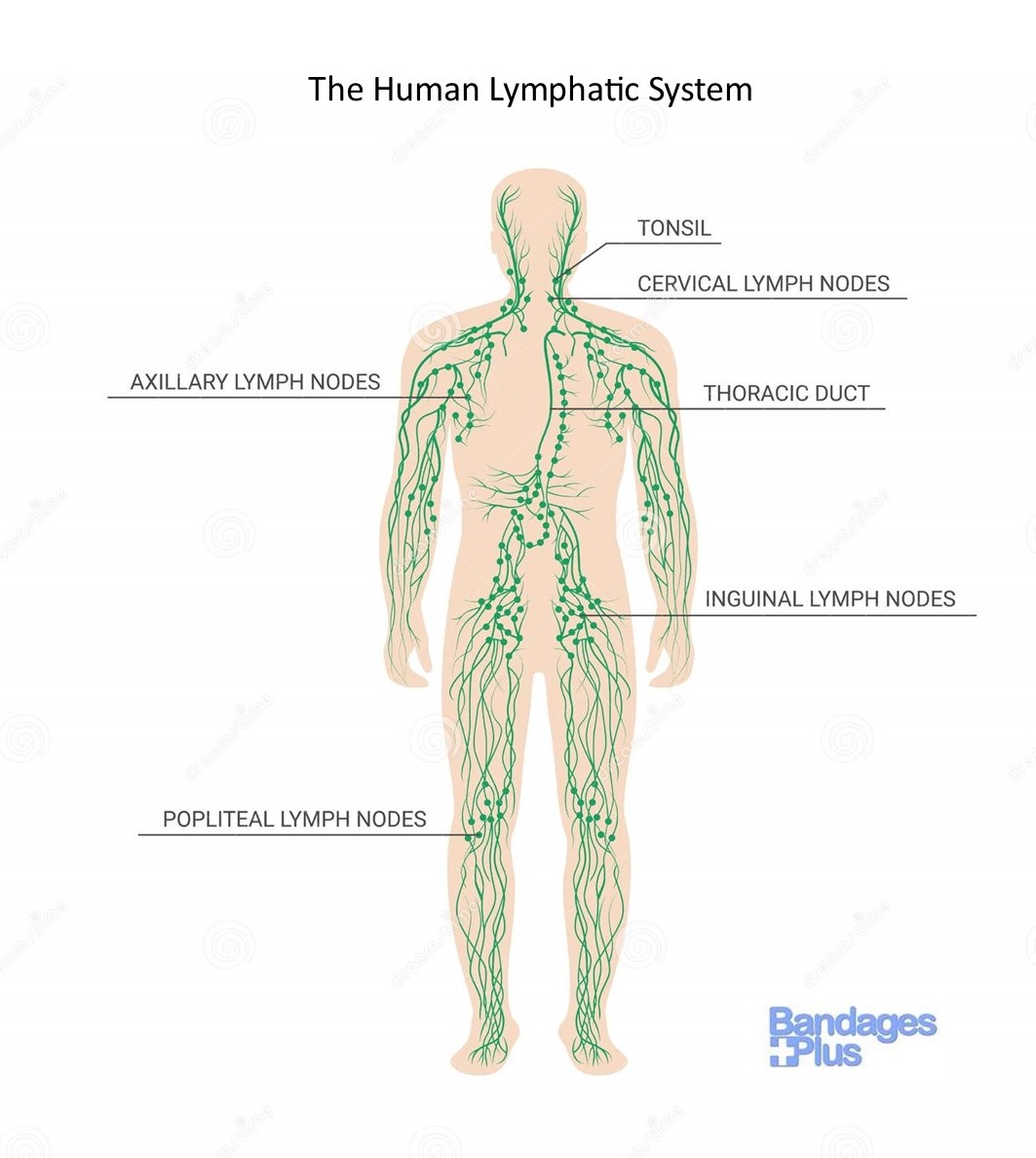
While most lymphedema occurs as the result of treating cancer (secondary lymphedema), people can be born with a compromised lymphatic system (primary lymphedema). Cancer treatment increases the risk for developing lymphedema as the cancer treatment procedures can disrupt or damage the lymphatic system, resulting in the development of lymphedema.
Where Can Lymphedema Develop
Lymphedema most commonly will develop in your arms (including hands) or legs (including feet), but it can also appear in other parts of the body including the neck, face, mouth, chest, abdomen and groin (genital lymphedema). These areas of the body are more susceptible to the development of lymphedema as the result of certain types of cancer treatment which impacts the local lymphatic system (lymph nodes):
- breast cancer: lymphedema in arm and hands, breast lymphedema
- head and neck cancer: facial lymphedema
- prostrate cancer: genital lymphedema, lymphedema legs
What Are Lymphedema Symptoms
The primary symptoms of lymphedema (lymphedema symptoms) include chronic swelling in all or part of the the affected area, including your face, chest, arm, hand, fingers, genitals, legs and toes. The swelling is often accompanied by a feeling of heaviness, stiffness or tightness, and a restricted range of motion in the affected areas.
In addition to swelling (edema), the accumulated excess lymph fluid can cause your skin to become thickened or hardened, and creates a breeding ground for bacteria that makes the affected area susceptible to skin infections (cellulitis). If left untreated, the cellulitis can spread to the bloodstream and create potentially life-threatening conditions. The skin in the affected area may also become compromised, resulting in leakage of the accumulated lymph fluid, especially in cases where the skin is extremely swollen. This leakage of lymph fluid, known as lymphorrhea, presents an additional concern in lymphedema treatment as it introduces the issue of wound care as part of the lymphedema treatment protocol.
How Does Lymphedema Develop - What Are Stages of Lymphedema
Lymphedema develops in a generally progressive manner with the earlier stages of lymphedema reflecting little to no signs of the condition, while in the later advanced stages of lymphedema, more extreme or pronounced symptoms will develop. The stages of lymphedema development can generally be categorized as:
Stage 0 Lymphedema
While there may be no visible signs or symptoms of having lymphedema, the lymphatic system may be impaired or damaged. At this stage usually only subtle signs of lymphedema may exist, such as feelings of heaviness or achiness.
Stage I Lymphedema
Obvious signs or symptoms of lymphedema begin to develop. Along with visible swelling, the affected area may begin to feel heavy or stiff. At this stage of lymphedema, the edema (swelling) can usually be controlled through self-care and wearing compression garments.
Stage II Lymphedema
At this stage of lymphedema, the skin begins to harden or thicken and self-care or simple compression is generally not a sufficient treatment protocol, and a more advanced form of lymphedema treatment may be indicated.
Stage III Lymphedema
This advanced stage of lymphedema is characterized by thick, dry and hardened skin that is visibly swollen. Movement becomes difficult and the skin may become compromised, leading to leakage of lymph fluid and the increased risk of infection. At this stage, the intensive phase of lymphedema treatment, including lymphedema complete decongestive therapy (CDT) becomes necessary.
Lymphedema Treatment
How Is Lymphedema Treated - What Are Lymphedema Treatments
The first step of lymphedema treatment is meeting with a lymphedema therapist so that they can assess and diagnose your health condition. During this process, you will be evaluated for a variety of factors including:
- developing an understanding of your individual medical history
- evaluation of your current medical conditions, existing symptoms, functional limitations and pain levels
- reviewing the condition of your skin and skin integrity
- taking circumferential and volume measurements
- develop a lymphedema treatment plan
Lymphedema Complete Decongestive Therapy (CDT)
Lymphedema is generally treated through a non-invasive treatment process known as lymphedema Complete Decongestive Therapy (CDT). There are many elements of performing lymphedema Complete Decongestive Therapy (CDT) which include:
- Manual Lymphatic Drainage (MLD)
- Compression Bandaging
- Skin Care
- Exercise
- Self-Care
During Manual Lymphatic Drainage a light massage technique (manual lymphatic drainage massage) is used to move the extra, built up lymph fluid out of your tissues and back into the lymphatic vessels where it can drain. The MLD is performed by a manual lymphatic drainage therapist who is trained in the proper procedure of performing the manual lymphatic drainage massage.
A multilayer compression bandage is applied after the Manual Lymphatic Drainage massage has been completed to support the affected area that is being treated. Using multilayer compression bandaging will help to control swelling by preventing lymph fluid from returning to the affected area. The multilayer compression bandage consists of several core components which are used in lymphedema bandaging.
The skin of the affected area is highly susceptible to breakage and infection. Therefore, it is extremely important to keep the skin clean and moisturized to help maintain the integrity and health of your skin. While many options of creams and lotions are available, we recommend the use of all natural skin lotions and creams for the best results.
Along with compression, special exercises should be performed during lymphedema Complete Decongestive Therapy to help pump the lymph fluid out of the affected area. Exercising will also help with weight loss and management objectives, which are also part of Complete Decongestive Therapy.
Simple self-care steps such as eating a healthy diet, controlling or losing weight and protecting the affected area is the final goal of lymphedema Complete Decongestive Therapy.
There are two primary phases of lymphedema Complete Decongestive Therapy (CDT), broken down as:
Lymphedema Complete Decongestive Therapy - Phase I (Initial Intensive Phase)
The initial, intensive phase of lymphedema Complete Decongestive Therapy (CDT) is likely to last on average 2 to 4 weeks, depending on the severity of the lymphedema. During this phase manual drainage of the lymphatic system (MLD) will be performed, followed by the application of a multilayer compression bandage system as a compression wrapping for lymphedema, along with the other important steps of lymphedema Complete Decongestive Therapy. Compression bandaging for lymphedema works by providing an outer low resting pressure and a high working pressure layer to the multi-layer compression bandage that maintains the reduced level of swelling, promotes the movement and flow of lymph fluid and helps improve the shape of the limb being treated.
Lymphedema Complete Decongestive Therapy - Phase II (Secondary Maintenance Phase)
Once swelling and tissue firmness has reduced, the lymphedema treatment will shift into the secondary, or Maintenance phase. This phase of lymphedema treatment shifts the management of the treatment to the lymphedema patient, and is performed on a long-term basis with the goal of controlling and maintaining the success of the Phase I treatment. The Maintenance phase of lymphedema treatment is also intended to create, foster and encourage a healthy lifestyle to further help promote lifelong lymphedema self-treatment. The primary elements of the Maintenance phase of lymphedema treatment includes:
- exercise
- weight management and control
- daily self manual lymphatic drainage
- wearing compression garments, or lymphedema compression wraps
Daytime Lymphedema Management
Since lymphedema is a life-long condition that requires continuous daily self-management, the lymphedema patient will need to wear compression garments to help manage the effects of having lymphedema. There are a wide variety of lymphedema compression garments and lymphedema products specially designed for use during daytime (when you are active), to provide you with options that will meet your particular needs, including:
- compression wraps for legs and feet: lymphedema in legs, lymphedema in foot
- compression wraps for arms: lymphedema in arm
- compression bras: breast lymphedema
- compression gloves and hand gauntlets: lymphedema in hand
- compression arm sleeves: lymphedema in arm and hands
- knee high compression stockings: lymphedema in legs, lymphedema in foot
- thigh high compression stockings: lymphedema in legs, lymphedema in foot
- compression pantyhose: lymphedema in legs, lymphedema stomach (abdomen), lymphedema in foot
- feet and toe compression caps: lymphedema in foot
- compression shorts: lymphedema stomach (abdomen), genital lymphedema
- custom compression garments: for your individual compression needs
Nighttime Lymphedema Management
During sleep, periods of rest or at times of low activity, the lymphedema patient will need to wear specialized nighttime compression garments that are not as restrictive but still offer a lower level of compression that helps preserve the benefits of their daytime compression wear. The benefits of nighttime compression include:
- provides resting pressure that helps promote lymphatic drainage and manage swelling during periods of rest or sleep
- made with inelastic material that is filled with special foam or padding which provides a micro-massage effect that helps to reduce fibrotic tissue