

Medical Compression Stockings, Graduated Compression Stockings: Compression Socks For Women, Compression Socks For Men
What Do Compression Socks Do: The Benefits Of Compression Socks
Do your legs feel heavy, tired or achy from standing at the end of a long day at work? Do your ankles begin to swell after sitting all day at your desk? Or perhaps unsightly blue and purple lines have begun to appear on your legs? If you have any of these signs or symptoms, you may have early stages of venous disease.
If your venous disease has progressed into a more severe condition, you may be experiencing pain and swelling in your legs, and perhaps varicose veins have appeared or a venous ulceration has developed on your leg. If you suffer from lymphedema, your legs and feet may have swollen as a result of the build-up of trapped lymphatic fluid in your lower extremities.
The good news is that you, like millions of others, can turn to the use of medical compression socks for improved circulation and support, to help manage your health conditions which will benefit from the use of gradient compression. There are medical grade compression socks for edema, compression stockings for varicose veins, lymphedema compression stockings, compression socks for flying, and more. With so many options to choose from, it is important to understand what are compression socks, what compression socks do, compression socks benefits, and how to choose the best compression socks for your particular needs.
What Are Compression Socks (Medical Compression Stockings)
Medical compression stockings, or graduated compression stockings, are designed to apply gradient pressure to your legs and are used in a variety of medical and therapeutic applications. These graduated compression socks are used by people to help with tired, achy legs, help manage conditions such as varicose veins, leg swelling or venous disease, and to improve their overall leg health and simply feel better.
High quality compression stockings are typically made with a blend of elastic fibers such as spandex or Lycra, and materials like nylon or cotton. Many of these compression socks will also feature moisture-wicking and odor control properties to help keep your legs cool and dry while helping to control odor.
Compression stockings come in a variety of styles, such as knee high compression stockings (compression socks), thigh high compression stockings, and compression pantyhose. Many of these compression stockings are available in different style options, such as open or closed toe models, and most offer options such as silicone top bands which will help keep the compression socks in place on your legs.
Compression stockings (compression socks) come in different levels of compression and are generally designed for a specific medical application or therapeutic purpose, such as:
- compression socks for improved circulation
- compression socks for swelling / compression stockings for edema
- medical compression socks
- lymphedema compression stockings
- compression stockings for lipedema
- compression stockings for blood clots (dvt compression socks)
- compression stockings for varicose veins (varicose compression socks)
- athletic compression socks, or running compression socks
- compression socks for neuropathy (diabetic compression socks)
- compression socks for travel
- compression stockings for water retention
- maternity compression socks / pregnancy compression socks
How Do Compression Socks Work / What Do Compression Socks Do
By their design, compression socks provide graduated (gradient) pressure because they are tighter at the ankle and gradually become looser as they move up your leg. The elastic fibers of these medical grade compression socks create external pressure that gently squeezes tissues in your legs, and thereby:
- promotes blood circulation and lymphatic fluid movement
- supports venous return
- prevents fluids from pooling
- controls edema (swelling)
- stabilizes and supports leg veins
- limits the ability of leg veins to expand
- minimizes varicose veins
- lowers the risk of deep vein thrombosis (DVT)
- heals wounds such as venous ulcers
- prevents the progression of vein damage into a more severe condition
What Are Compression Socks Used For
Medical grade compression socks are frequently used for sports recovery applications, to provide support and relieve stress during pregnancy, or during travel or work where you might stand or sit for long periods of time.
In medical and therapeutic applications medical compression stockings are primarily used for lymphedema management and treating venous disease.
Lymphedema Management
Lymphedema is a life-long condition that requires constant compression to help manage swelling (edema) that is caused by the condition. The initial treatment phase consists of lymphedema complete decongestive therapy (CDT) that is performed to move the extra, built-up lymph fluid out of your tissues and back into the lymphatic vessels where it can drain, helping to reduce the edma and return your limbs to an ordinary size. Upon completion of this initial intensive phase of lymphedema treatment, a secondary “maintenance” phase begins and is performed on a long-term basis to control and maintain the success of the initial treatment phase.
Compression stockings for edema (lymphedema) are a key component of this maintenance phase of lymphedema treatment. When worn as compression socks for lymphedema, graduated compression socks provide gradient pressure that helps manage the swelling (edema) caused by lymphedema.
Venous Disease
Designed to provide gradient pressure to your legs and feet, medical grade graduated compression stockings are part of a foundational treatment for venous disease. Medical compression socks help reduce leg swelling (edema), help alleviate pain, and promote blood flow (venous return) back to the heart. Additionally, a compression sock can be used or helping to heal chronic wounds such as venous stasis ulcers.
What Is Lymphedema
Lymphedema
Lymphedema occurs when the lymphatic system is damaged or compromised, resulting in the disruption of lymphatic flow (of lymph fluid) moving through the body. When this disruption occurs, there is a build-up of trapped lymph fluid in the fatty tissues just under your skin that causes edema (swelling), which is referred to as lymphedema.
In addition to the edema, accumulated excess lymph fluid can cause your skin to become thickened or hardened, and creates a breeding ground for bacteria that makes the affected area susceptible to skin infections (cellulitis). If left untreated, cellulitis can spread to the bloodstream and creates potentially life-threatening conditions. The skin in the affected area may also become compromised, resulting in leakage of the lymph fluid, especially in cases where the skin has become extremely swollen.
Read more about lymphedema.
What Is The Lymphatic System
The lymphatic (or lymph) system is comprised of the lymphatic vessels which contain lymph fluid that travels throughout the body and ultimately flows into the lymph nodes, which are the organs that filter and clean the system. The small, bean-sized lymph node glands are found in many parts of the body, including the neck, armpit, chest, abdomen (belly), and groin.
The lymphatic system is an integral part of your body's detoxification and immune system, and the lymph system plays several important roles in your body, including:
- helps to maintain the right balance of fluids in your body
- transports nutrients and immune cells that help protect you from viruses, bacteria, and other invaders
- filters out germs, toxins and waste
When diseases, infections, injuries or trauma cause your lymphatic system to stop functioning properly, you may develop lymphedema. With this condition, the lymph fluid is unable to properly move within the lymphatic system, and the fluid builds up in your tissues, causing swelling (i.e., the development of lymphedema).
Primary Lymphedema vs. Secondary Lymphedema
While most lymphedema occurs as the result of damage to the lymphatic system, often the result of cancer treatment which increases your risk for developing lymphedema (secondary lymphedema), people can also be born with a compromised lymphatic system (primary lymphedema). Primary lymphedema is caused by rare genetic conditions that prevent the lymphatic system from developing properly.
The treatment for cancer increases the risk for developing secondary lymphedema as the cancer treatment procedures can disrupt or damage the lymphatic system. The damage to the lymphatic system often happens with cancer treatments like radiation therapy and surgery, since these procedures can impact your lymph nodes and the surrounding vessels.
Where Does Lymphedema Commonly Develop
Lymphedema usually occurs and will affect the arms and hands, and legs and feet, and while less common, lymphedema can also develop in the head, neck (head and neck lymphedema), breasts and chest (breast lymphedema), abdomen, back, and genitals (genital lymphedema).
What Is Venous Disease
Although generally not life-threatening, venous disease affects more than 40 million people in the United States. Venous disease is a term that is broadly used to describe a health condition characterized by the inability of the body's venous system to properly pump blood through the veins, back to the heart. Venous disease is commonly the result of valve dysfunction, which occurs when veins in your legs are damaged, are too weak to do their job, or don’t function properly.
Normally, the valves in your leg veins keep the blood flowing back up to your heart but with the onset of venous disease these veins can’t manage the blood flow as well as they should, and it’s harder for the blood in your legs to return to your heart. The inability of your veins to properly pump the blood back to the heart through the venous system is referred to as venous insufficiency. In more severe forms, venous insufficiency can progress into chronic venous insufficiency (CVI).
When venous insufficiency develops, blood begins to pool in your leg veins which leads to high pressure in the veins, which causes pain and swelling, may lead to changes in skin color, and finally the development of varicose veins. In more severe cases as venous insufficiency progresses into chronic venous insufficiency, the potential increases for blood clots to form (deep vein thrombosis) and venous leg ulcers to develop on your legs.
What Is The Most Common Vein Disease
Venous disease (vein disease) refers to a range of medical conditions which affect the veins in your body. Venous insufficiency is a form of venous disease and is the result of valve dysfunction, which occurs when the leg veins are unable to effectively pump blood back to the heart. When venous insufficiency develops, the blood begins to pool in your leg veins, leading to high pressure in the veins which causes pain and swelling, and may lead to changes in skin color. Venous insufficiency may lead to the development of:
- varicose veins and spider veins: A milder form of vein disease, varicose veins are twisted, swollen, bulging veins on your legs, while spider veins are smaller, red, blue or purple veins that appear close to your skin’s surface
- chronic venous insufficiency (CVI): Chronic venous insufficiency is a deeper and more serious form of venous disease which is generally characterized as being an advanced stage of venous insufficiency
- deep vein thrombosis (DVT): Deep vein thrombosis (DVT) is a form of venous disease and represents a serious venous condition that is characterized by the formation of a blood clot deep within a vein and oftentimes in your leg
- venous leg ulcerations: Venous ulcers, commonly referred to as venous stasis ulcers, are caused by problems with blood circulation within your body and usually are the result of chronic venous insufficiency
The Role Of Compression Socks In Treating Lymphedema And Venous Disease
What Is Compression Therapy For Treating Lympedema And Venous Disease
Compression therapy is the primary method of treating a variety of health conditions including lymphedema and venous disease. Compression therapy refers to the use of compression garments to apply external pressure to anatomical structures of your body, such as arms and hands, and your feet and legs. The external pressure applied by compression garments helps:
- reduce muscle fatigue
- promote circulation of blood and movement of lymphatic fluid
- support venous return
- prevent pooling or accumulation of blood and lymphatic fluid
- reduce swelling and inflammation
- prevent formation of blood clots
- alleviate pain or discomfort
- support vein health
- prevent the progression of vein damage into a more severe condition
What Medical Compression Products Are Used For Compression Therapy
There are a variety of different products that are used to provide compression therapy:
- short stretch compression bandages: primarily used in compression bandaging for lymphedema applications
- compression stockings (compression socks): available in knee-high, thigh-high and pantyhose styles, medical compression stockings are the most common type of compression garment
- compression arm sleeves: a traditional means of providing arm compression and support to the arm to manage and treat lymphedema of the arms
- compression wraps: easy to apply and adjust, a compression wrap offers an alternative to traditional compression stockings and arm sleeves, especially for those who may not be able to put on or wear traditional compression garments
What Are Medical Compression Stockings / Medical Compression Socks
Medical grade compression socks, or graduated compression stockings, are designed to apply gradient pressure to your legs and are used in a variety of medical and therapeutic applications. These graduated compression socks are used by people to help with tired, achy legs, to help manage conditions such as varicose veins, leg swelling or venous disease, and to improve their overall leg health and simply feel better.
Medical compression stockings come in a variety of styles, such as knee high compression stockings (compression socks), thigh high compression stockings, and compression pantyhose. Many of these compression stockings are available in different style options, such as open or closed toe models, and most offer options such as silicone top bands which will help keep the compression socks in place on your legs.
What Are Medical Compression Stockings / Medical Compression Socks Used For
While most compression stockings (compression socks) and are generally designed for a specific medical application or therapeutic purpose, all of them share the same basic principal of providing gradient pressure for their intended use.
When used in medical applications, medical compression stockings are indicated for treating:
- vein health and improved circulation: when worn as compression socks for improved circulation, medical compression stockings help to apply pressure to the legs which helps promote improved blood flow and reduces the risk of developing circulatory problems
- chronic swelling and lymphedema: when worn as lymphedema compression stockings, compression socks will be used to manage lymphatic fluid buildup and prevent severe swelling (edema) caused by lymphedema in legs
- venous disease: graduated compression socks provide support to weak vein walls and help promote blood flow upward to the heart through the venous system, preventing the pooling of blood in your feet and legs and the development of spider veins, varicose veins and chronic venous insufficiency (CVI)
- chronic wound and venous ulceration healing: medical compression socks help improve blood circulation and blood flow, pushing surface blood back into the deep vein system, helping to aid the healing of venous leg ulcers
- prevention of deep vein thrombosis (DVT): The prevention of DVT and compression socks are mutually suited, as the external pressure provided by medical compression stockings helps push surface blood back into the deep vein system, boosts the flow of blood and prevents it from pooling or clots from forming
How Do Medical Compression Stockings / Medical Compression Socks Work
By providing controlled gradient pressure, compression stockings limit the ability of the leg veins to expand, forcing blood to pump more efficiently back to the heart instead of pooling in your legs and feet. Compression socks typically provide dynamic pressure - meaning that they tighten when your muscles move and then ease up when you are resting. This dynamic pressure creates a form of “pumping action” that helps to move deoxygenated blood and accumulated lymph fluid out of your legs, while allowing nutrient rich oxygenated blood to flow back into your legs. The controlled pressure provided by medical compression stockings also helps manage swelling by preventing fluid from returning to the tissues once it has been pushed out.
What Does Graduated Compression Mean With Medical Compression Stockings / Medical Compression Socks
Medical compression stockings are designed to provide graduated pressure, which means that the compression socks are tighter at the ankle and become gradually looser toward the upper leg. These compression stockings are designed to provide different levels of pressure, with each level determining how much pressure the compression socks will provide. In simple terms, the higher level of compression, the tighter the compression stockings will be.
The compression applied by the compression stockings is measured in mmHg (millimeters of mercury), which is the same measurement that is used for measuring blood pressure. The four levels of pressure in U.S. manufactured medical compression socks are:
- class 0 compression wrap (exerts 15 mmHg to 20 mmHg of pressure)
- class 1 compression wrap (exerts 20 mmHg to 30 mmHg of pressure)
- class 2 compression wrap (exerts 30 mmHg to 40 mmHg of pressure)
- class 3 compression wrap (exerts 40 mmHg to 50 mmHg of pressure)
What Level Of Compression Should I Choose For My Medical Compression Stockings / Medical Compression Socks
Although compression stockings are able to provide different levels of gradient pressure, compression socks are generally designed to provide a range of compression based on their intended use. When choosing a medical compression sock it is very important to make sure that the particular compression stockings that you are considering are designed for your intended use and will be able to provide you with the level of pressure that you need.
Generally, milder cases of lymphedema and venous disease will require medical grade compression socks that are able to provide class 1 or 2 compression, while more severe cases of lymphedema will require graduated compression stockings that can provide class 3 compression. Compression socks that exert as little as 15 mmHg to 20 mmHg are suited for very mild cases of lymphedema or venous disease, for those who are at risk of developing lymphedema or venous disease or if you simply want to wear compression socks for improved circulation and improve vein health.
The following are the different compression classes that graduated compression stockings can provide, and what they are typically recommended for:
- Compression Class 0: 15 - 20 mmHg – for those at risk for lymphedema, treating spider veins and mild venous conditions
- Compression Class 1: 20 - 30 mmHg – for those at risk for lymphedema or for mild lymphedema, for treating visible varicose veins, achy legs and moderate venous conditions
- Compression Class 2: 30 - 40 mmHg – for those with moderate or severe lymphedema, chronic venous insufficiency, and treating venous ulcers
- Compression Class 3: 40 - 50 mmHg – for those with severe or hard to control lymphedema and advanced venous disease
You should always speak with your healthcare provider regarding the best compression level for you and your individual health condition.
The Role Of Medical Compression Stockings / Medical Compression Socks In Lymphedema Prevention
If you have had lymph node removal or are recovering from cancer treatment, you are more at-risk for developing lymphedema. While lymphedema cannot be cured, there are a number of steps that you can take to help prevent lymphedema if you are in the high risk category for lymphedema developing:
- Diet and exercise to maintain body weight
- Avoid vigorous or excessive exercise
- Maintain skin health and protect your skin from injury or infection
- Avoid extreme temperatures or sun exposure
- Avoid construction or pressure on your arms or legs
- Elevate your arms or legs
- Wear light compression during air travel and long periods of inactivity
While wearing medical grade compression socks as lymphedema compression stockings is a common treatment for lymphedema, compression socks can also be prescribed as a preventative treatment against developing lymphedema. Studies have shown that wearing compression can help prevent the development of lymphedema, reduce symptom severity, or stop progression of lymphedema into a more severe stage, helping you avoid chronic lymphedema.
Read more about cancer treatment and the risk for lymphedema.
The Role Of Medical Compression Stockings / Medical Compression Socks In Venous Disease Prevention
By focusing on vein health you can help prevent circulatory problems, ensure proper blood circulation, promote overall leg health and reduce the chances of developing circulatory-related vein disease. Generally speaking, a healthy circulatory system also supports physical activity, mental sharpness, and a general sense of well-being which directly impacts your overall quality of life. Have healthy veins will help ensure:
- that your circulatory system functions properly
- optimal organ and muscle function
- a strong body immune response to fight infection
- faster wound healing if it should occur
Vein disease (venous disease) is a progressive disease, and existing venous disease cannot be cured. If the signs and development of venous disease are ignored, left undiagnosed and untreated they will become worse and can lead to more serious health conditions such as chronic venous insufficiency, deep vein thrombosis (DVT) where blood clots form in a deep vein, and the development of chronic wounds such as venous leg ulcers.
Read more about vein health and its importance in preventing circulatory problems.
Bottom Line: Crucial Tips for Success For Wearing Medical Compression Stockings / Medical Compression Socks For Lymphedema And Venous Disease
To ensure that you receive the maximum benefit from your medical compression stockings / medical compression socks, we recommend you consider the following steps:
Choose the proper compression: Consult with your healthcare provider to ensure that you choose compression stockings that provide you with the correct level of gradient compression for your particular needs.
Ensure you have a proper fit: This is one of the most important steps for effective compression therapy for lymphedema and venous disease. Wearing poorly fitting compression socks can actually make your condition worse. If your compression socks are too tight, they can:
- restrict circulation and lymphatic flow
- increase swelling
- damage soft skin tissue
- cause tingling or numbness
When compression stockings are too loose, they can:
- provide ineffective compression therapy
- slide or roll down, causing skin irritation, rashes or abrasions
Actively wear your compression stockings: Generally, compression socks should be worn during all waking hours, and especially during periods of activity.
Practice nighttime care: If your healthcare provider prescribes the need for nighttime compression, make sure that you select a nighttime compression garment that is specially designed to manage swelling while you are asleep or while resting. Read more about Sleeping In Compression Stockings: Should You Wear Compression Stockings To Bed.
Keep your compression stockings clean: Proper care of graduated compression socks will help extend the life of the garment and provide you with a better compression therapy result. Frequent washing of your compression stockings will remove built-up sweat and body oils that cause the garment’s elastic fibers to break down. Machine drying your compression socks, will tighten the fabric, enabling the socks to bounce back to their original compression strength.
Replace your graduated compression socks regularly: The compressive elastic fabric in your compression stockings will stretch out and break down with daily use and washing. As your compression stockings stretch out, they will begin to lose effectiveness and must therefore be replaced every 4 to 6 months.
Frequently Asked Questions About Medical Compression Stockings / Medical Compression Socks
Do compression socks work for lymphedema?
Absolutely yes! Compression socks (graduated compression stockigns) are highly effective at providing gradient compression and are considered to be a cornerstone of lymphedema treatment for managing and reducing lymphedema swelling. By applying targeted pressure that gently squeezes the affected leg, compression socks for edema help promote the movement of trapped lymphatic fluid out of the affected area, moving it upward and outward toward your body's core.
How do compression socks work and why are they essential for managing lymphedema?
Wearing compression socks for lymphedema provides you with several essential benefits for treating lymphedema in legs:
- Graduated Pressure: Graduated compression socks are designed to provide "gradient compression", which means that they will fit tightest at the ankle and gradually get looser as they go up your leg. The purpose of the gradient compression provided by compression socks worn as lymphedema compression stockings is to help move trapped lymphatic fluid up and out of your leg.
- Fluid Movement And Reduction: The external pressure provided by compression socks for edema helps to stop excess fluid from leaking out of capillaries and into your leg tissues, thereby helping to control swelling (edema). The gradient compression provided by these compression socks for improved circulation also help move trapped lymphatic fluid up and out of your legs.
- Tissue Health And Vein Support: By preventing lymphatic fluid from pooling, wearing compression socks for lymphedema in legs will help reduce the risk of skin tissue from hardening (fibrosis), and will help lower the chance of infections such as cellulitis from developing. The external pressure provided by these graduated compression socks will also help the valves in your veins close properly, improving overall circulation.
- Prevent Worsening Of Lymphedema: Consistent daily use of compression socks for lymphedema will help control swelling and can keep mild lymphedema from progressing into a more chronic, severe condition.
Can wearing graduated compression stockings help prevent lymphedema in legs?
Medical compression socks may help stop lymphedema from developing by promoting circulation and preventing lymph fluid from becoming trapped and pooling in your legs. You may want to consider wearing compression stockings as compression socks for lymphedema prevention if you are in the at-risk category for lymphedema developing.
Can compression socks for improved circulation treat venous disease?
By applying external graduated pressure, compression medical compression socks will help improve circulation and provide vein support, and are an excellent choice for treating venous disease such as varicose veins, chronic venous insufficiency (CVI), deep vein thrombosis (DVT), and venous leg ulcers.
How do compression socks work to help treat venous disease?
The external pressure provided by graduated compression socks offers several key benefits for helping to treat venous disease:
- improves blow flow: when worn as compression socks for circulation, they will help to force blood upwards through the veins, and enhance venous return of deoxygenated blood back to the heart and prevent the blood from pooling in your legs and feet
- helps to reduce and control swelling: when worn as compression socks for edema (compression socks for edema) they will force excess fluid back into capillaries and tissue, thereby helping to control edema (swelling) in your legs
- relieves pain: wearing compression stockings for aching legs will provide support to leg veins and muscles, thereby helping to reduce muscle fatigue and relieve tired, heavy, achy, and painful feeling legs
- aids in healing chronic wounds: wearing medical compression socks will improve blood circulation and blood flow, help push surface blood back into the deep vein system and promote the return of nutrient-rich oxygenated blood to help heal venous stasis ulcers (chronic wounds) and prevent further skin breakdown
Are there other health benefits of compression socks?
Treatment for cancer increases the risk for developing lymphedema, however wearing compression after surgery will help lower this risk, as well as providing additional post-surgical health benefits.
Removal of or damage to pelvic lymph nodes from prostate cancer surgery and radiation therapy may include disrupting the normal flow of lymph fluid which leads to swelling, typically in the legs (lymphedema of the legs), lower abdomen, groin, and scrotum (genital lymphedema). Wearing compression socks as lymphedema compression stockings will help lower the risk for the development of lymphedema, will help with post-surgical swelling and aid in post-surgical healing
In addition to helping with post-surgical swelling, wearing medical compression socks for circulation can provide other benefits by helping with certain quality-of-life measures, such as:
- reducing fatigue
- controlling pain
- improving physical functioning
- reducing the risk of lymphedema developing
- managing symptoms and preventing lymphedema from getting worse
Should I wear a compression socks for lymphedema?
If you have or are at risk of developing lymphedema, you should consider wearing compression socks as lymphedema compression stockings. Medical compression socks are highly effective at providing gradient compression and are considered to be a cornerstone of therapy aimed at managing and reducing lymphedema swelling. Determining whether you should wear compression socks may also depend on what stage of lymphedema you have:
- stage 1 lymphedema: at this stage, your affected limb feels heavy and swollen, and pressing on it leaves a dent.
- stage 2 lymphedema: in addition to the swelling, at this stage your skin has thickened and become hard – applying pressure to your skin does not leave a dent.
- stage 3 lymphedema: at this point, your lymphedema has become significantly larger, your skin has hardened and may show scarring and wart-like growths.
Compression socks for lymphedema can help manage symptoms of stage 1 lymphedema, and typically you will wear graduated compression stockings that offer either 15 - 20 mmHg or 20 - 30 mmHg gradient compression. If your condition has progressed to stage 2 or stage 3 lymphedema, you will likely need to undergo lymphedema Complete Decongestive Therapy (CDT) before wearing compression stockings.
You should consult with your healthcare provider regarding your stage of lymphedema and whether you might benefit from wearing compression socks for lymphedema, based on your symptoms and their severity.
When should I wear lymphedema compression stockings for swelling relief?
If you are at risk for developing lymphedema or are showing early signs of lymphedema development, you should wear compression socks for swelling that provide light compression (usually 15 - 20 mmHg or 20 - 30 mmHg). Be sure to check with your healthcare provider for their recommendation regarding your individual condition.
If you have a more severe stage of lymphedema, you will likely need advanced lymphedema treatment protocols, such as lymphedema Complete Decongestive Therapy (CDT). Lymphedema Complete Decongestive Therapy (CDT) consists of 2 different phases, and wearing medical compression socks is done during the secondary, or “maintenance” phase of lymphedema therapy when the main goal of lymphedema treatment is to manage the swelling that lymphedema causes.
Should I wear medical compression socks for venous disease?
Medical compression stockings are highly effective at providing gradient compression and are considered to be a cornerstone of therapy aimed at managing and reducing symptoms and conditions of venous disease. Determining whether you should wear medical compression socks may also depend the stage of venous disease that you have:
- mild / early stage venous disease: at this stage, you will feel minor ankle swelling, tired and achy legs and spider veins may begin to appear.
- moderate / established venous insufficiency: your symptoms of venous disease will worsen, varicose veins may develop and chronic venous insufficiency (CVI) will set in.
- severe / advanced stage venous disease: at this point, edema becomes severe and you will notice skin changes along with the development of venous statis ulcers.
- extreme venous disease: extreme cases of venous disease can include deep vein thrombosis (DVT) and post-thombotic syndrome.
Compression socks can help manage symptoms of early stage venous disease, and typically you will wear graduated compression socks that offer 15 - 20 mmHg. With moderate venous disease, 20 - 30 mmHg compression will likely be the prescribed strength for wearing your compression socks. If your condition has progressed to an advanced stage of venous disease, your healthcare provider will likely prescribe the use of 30 - 40 mmHg compression. With extreme cases, venous disease treatment may require 40 - 50 mmHg compression.
In all cases, you should consult with your healthcare provider regarding your stage of venous disease and whether you might benefit from wearing medical compression stockings, based on your symptoms and their severity.
When not to wear compression socks?
Although wearing graduated compression socks to provide gradient pressure is generally recommended for lymphedema treatment or for the management of venous disease, there are cases when wearing compression socks should be avoided. You should not wear graduated compression stockings designed for daytime use while sleeping or during extended periods of rest or inactivity as the pressure provided by the stockings may restrict blood flow or circulation. You should also avoid wearing medical compression socks when you have:
- a skin rash
- active skin infections
- dermatitis (inflammation of the skin)
- broken skin
- open wounds (unless the compression socks are specifically used for chronic wound treatment)
- severe circulatory or heart conditions
- neuropathy (unless you are wearing compression socks for neuropathy)
How do I choose the right size of compression socks / medical compression stockings?
To ensure that you get the correct size of graduated compression socks, you must take circumference measurements of your legs at specific points and the length of your leg, using a flexible tape measure. The measurements that you take should be precise to ensure that the compression stockings fit snugly without being so tight that they restrict circulation.
When measuring for your compression socks, it is recommended that you follow these simple guidelines:
- consult the manufacturer's size chart for the compression stockings you are considering
- use a flexible tape measure
- measure the circumference of your leg at the points specified by the manufacturer
- measure the length of your leg
- if unsure, consult a professional who can assist with sizing
How to measure for graduated compression socks / medical compression stockings?
There are many compression stockings sizes and compression socks can fit differently, so to get the best fit it is important to do accurate measuring by following these simple steps:
- consult the manufacturer’s compression stocking size chart for the particular compression socks that you are considering
- take your measurements first thing in the morning before swelling increases
- use a soft, flexible measuring tape and measure against bare skin
- place the measuring tape on the skin, ensuring the tape is snug but not digging into the skin
- record you measurements on a piece of paper for easy reference
Compression garments use a uniform system of measuring points that refer to points where measurements should be taken. Not every measuring point will necessarily be used by manufacturers for their compression garments, but you should be aware of where each point lies. The measuring points for compression stockings for legs are as follows:
- Point B (ankle): measure the circumference of your ankle at its narrowest point (just above the bony bump)
- Point C (calf): measure around the fullest part of your calf (typically the widest point between ankle and knee)
- Point D (below the knee): measure directly around the center of the leg below the knee cap
- Point E (above the knee): measure directly around the center of the leg above the knee cap
- Point G (upper thigh/groin): measure around the very top of your leg (right below your groin)
Leg length is measured starting from your heel up to your groin Point G (the G length).
Once you have all of your measurements, you can consult the compression stocking size chart to see which size category you fall into based on the measurements you have taken. Measuring is easily done by yourself, but if you are inexperienced or have any questions about measuring, it is highly recommended that you consult with a person who is familiar with the process.
What if I don’t fit into an off-the-shelf or ready-to-wear size of compression stockings?
Compression socks are available in a wide range of off-the-shelf (or ready-to-wear) size options. You will determine the proper size of the compression stockings by measuring your legs at specific points, as outlined on the manufacturer’s compression stocking size chart. Your measurements may put you between two different sizes, or if your legs have irregular shapes or sizes, you may not properly fit into any of the off-the-shelf compression stockings sizes.
In-Between Sizes
If your measurements put you between two different sizes, you may be able to apply these general guidelines:
- choose the size which provides the best overall fit based on your measurements
- size down if you need maximum, firm medical-grade compression
- size up if you are using your compression stockings for light recovery, extended all-day wear, or when edema is less severe
Be careful when choosing between two different between sizes as compression socks that are too large or too loose can result in graduated compression socks that don’t provide effective compression, while compression stockings that are too small or too tight can restrict circulation and lead to other issues.
Irregular Shapes And Sizes
If your limb has irregular shapes or sizes which dramatically fall outside of the manufacturer’s size guidelines, you likely will not fit into standard off-the-shelf compression socks. In this case you should consider custom-made compression stockings which will fit your exact individual measurements.
If you are unsure as to the correct compression stockings sizes for your particular needs, it is extremely important to check with a trained professional who can help you with measuring your compression socks to determine the proper size option.
How to put on medical compression stockings (compression socks)?
Putting on graduated compression stockings can be difficult, especially if you lack the arm strength to pull the compression socks up your leg, are unable to bend, or if you have sensitive or damaged skin on your legs. For the easiest donning process, you should apply your compression stockings first thing in the morning when swelling is at the lowest.
If you follow some simple steps, you should be able to successfully don (put on) your graduated compression socks:
- prep your legs: ensure your legs are completely dry (applying body powder can help)
- turn your compression stockings inside out: fold the top half of the stockings down over the bottom half so that they are inside out, stopping at the ankle section
- position your stockings: any seam should be toward the back of your leg and the foot section should be aligned with your foot
- work up your leg: gradually ease the folded-down stocking up your leg, over the ankle, and onto the calf and leg
- carefully apply the stockings: do not yank or overstretch and be careful with fingernails which can puncture the fabric of your stockings
- smooth out creases: use the palms of your hands to smooth the stockings from the ankle to the top band
- check the fit: the top of the compression socks should sit about two fingers below your knee (or groin for thigh high compression stockings) without folding over or causing pain
You may find that using a specially designed sock aid for compression stockings can help with putting on your compression stockings. Rubber donning gloves are especially useful and will provide an excellent grip to grab, pull and adjust the compression sock fabric and for eliminating wrinkles.
How can I tell if my compression socks are the correct size?
The most important consideration when looking for medical compression socks is having a proper fit. Properly fitted compression stockings should fit comfortably and will provide you with even, steady pressure. There are indications as to whether your compression stockings are a good fit or whether they are too tight or too loose:
Signs that your medical compression stockings are the perfect fit:
- you feel a firm but gentle embrace around your muscles and have a full, unrestricted range of motion
- your compression stockings stay up during normal activity without bunching, folding, or sliding down
- after about 10 to 15 minutes of wearing your compression socks, you almost forget they are on
Signs that your compression stockings are too tight:
- you feel numbness, tingling, or a "pins and needles" sensation in your legs
- there are deep indentations or painful red marks on your skin after taking your compression socks off
- there is coldness or a change in color (bluish/pale) in your legs or feet while wearing your socks
- you feel sharp pain, pinching, or restricted blood flow in your legs or feet
Signs your graduated compression stockings are too loose:
- you can easily pull your compression socks up or down without much effort or resistance
- your compression socks frequently slip, fold, or slide on your skin
- you begin to notice increased swelling in your affected limb
How tight should compression socks for lymphedema or venous disease be?
Your graduated compression socks should provide you with a supportive, comfortable hug which provides you with sufficient compression with pressure that feels even throughout the stockings. Your compression stockings should be snug enough to stay in place without slipping, but not so tight that they restrict circulation, cause pain, or cause numbness.
How long should I wear compression socks for lymphedema or venous disease?
Generally, you will wear your medical compression socks for lymphedema and venous disease during the day when you are active and take them off at night or during periods of rest. It’s generally recommended to put your compression socks on right after you wake up in the morning when your legs are the least swollen.
RegardIess of when you put your compression stockings on in the morning, it is very important to wear your compression socks when:
- exercising
- doing housework
- performing daily activities that involves physical effort
- traveling by airplane (due to air pressure changes)
Be sure to consult with your healthcare provider regarding their specific recommendations for wearing your compression socks.
Can I wear compression stockings all day?
Yes, you can safely wear your compression socks all day to effectively manage lymphedema or venous disease. While you will typically be wearing your compression socks 8 to 12 hours each day to provide compression and manage swelling, there are some best practice guidelines that should be followed for wearing compression stockings:
- Take breaks: Remove your compression socks every few hours to let your skin breathe and avoid circulation issues
- Avoid sleeping or resting in your compression stockings: Never wear compression socks while sleeping or lying down and resting for extended periods
- Listen to your body: If you experience numbness, tingling, skin discoloration, or pain, loosen or remove your compression socks
Your healthcare provider can provide you with specific recommendations for wearing graduated compression socks.
Can I sleep in compression socks for lymphedema or venous disease?
When asked "can you sleep in compression socks", the answer would be that it is generally recommended that you not wear daytime graduated compression stockings while you sleep. Wearing daytime compression socks while lying down can actually provide too much leg compression when it is not needed, which may restrict circulation and ultimately worsen your swelling.
In cases where your healthcare provider recommends the need for nighttime leg compression, you should choose a special non-elasticized nighttime compression sleeve. Nighttime leg compression sleeves are designed to be looser, bulkier and provide gentler leg compression that helps maintain your swelling while sleeping or during periods of rest.
What are the best compression socks for lymphedema and venous disease?
There are a variety of high quality compression socks for lymphedema and venous disease available to choose from. The "best" lymphedema compression stockings or compression socks for edema and venous disease is very subjective and it depends on which compression socks best fit your individual wants and needs.
Can you recommend specific brands or types of compression socks for lymphedema and venous disease?
The top brands of medical compression stockings that are recommended for lymphedema management and treating venous disease include:
- Jobst compression stockings
- Jobst compression pantyhose
- Juzo compression stockings
- Juzo compression pantyhose
- Mediven compression stockings
- Mediven compression pantyhose
- DuoMed compression stockings
- Sigvaris compression stockings
- Sigvaris compression pantyhose
- Solaris compression stockings
Does insurance pay for medical compression socks / graduated compression socks?
- Medicare Coverage
With the adoption of the Lymphedema Treatment Act on January 1, 2024, Medicare began to provide coverage for products used to treat and manage lymphedema. To be eligible, there are a number of specific steps for Medicare coverage that you will need to go through to obtain your lymphedema products and have Medicare pay for them.
- Private Insurance Coverage
If you have a private health insurance plan, you may still be eligible for insurance coverage of your lymphedema products and medical compression stockings when used for treating venous disease, but the coverage and amount will depend on your particular insurance plan. Even with insurance coverage, you likely will:
- have to cover a co-payment for each purchase and meet an out-of-pocket deductible
- need a prescription from a health care provider
- need to obtain insurance approval before getting your compression socks
- be limited as to the type or cost of compression wrapstockings that will be covered
- have to find an in-network provider who accepts your particular insurance
- have to wait for the entire process to be completed before receiving your compression stockings
While obtaining your compression stockings through insurance may initially sound like the logical choice, there are many downsides and it is strongly recommended that you consider self-payment versus use of insurance for obtaining your graduated compression socks.
Can I use my FSA/HSA account to purchase my medical compression socks / graduated compression socks?
If you are purchasing your compression socks as a “medical necessary” item, then you can likely use your FSA or HSA account to purchase compression stockings. Learn how to save money by using your FSA or HSA account to purchase your graduated compression socks and other medical products with pre-tax dollars!
How often should I wash my compression stockings?
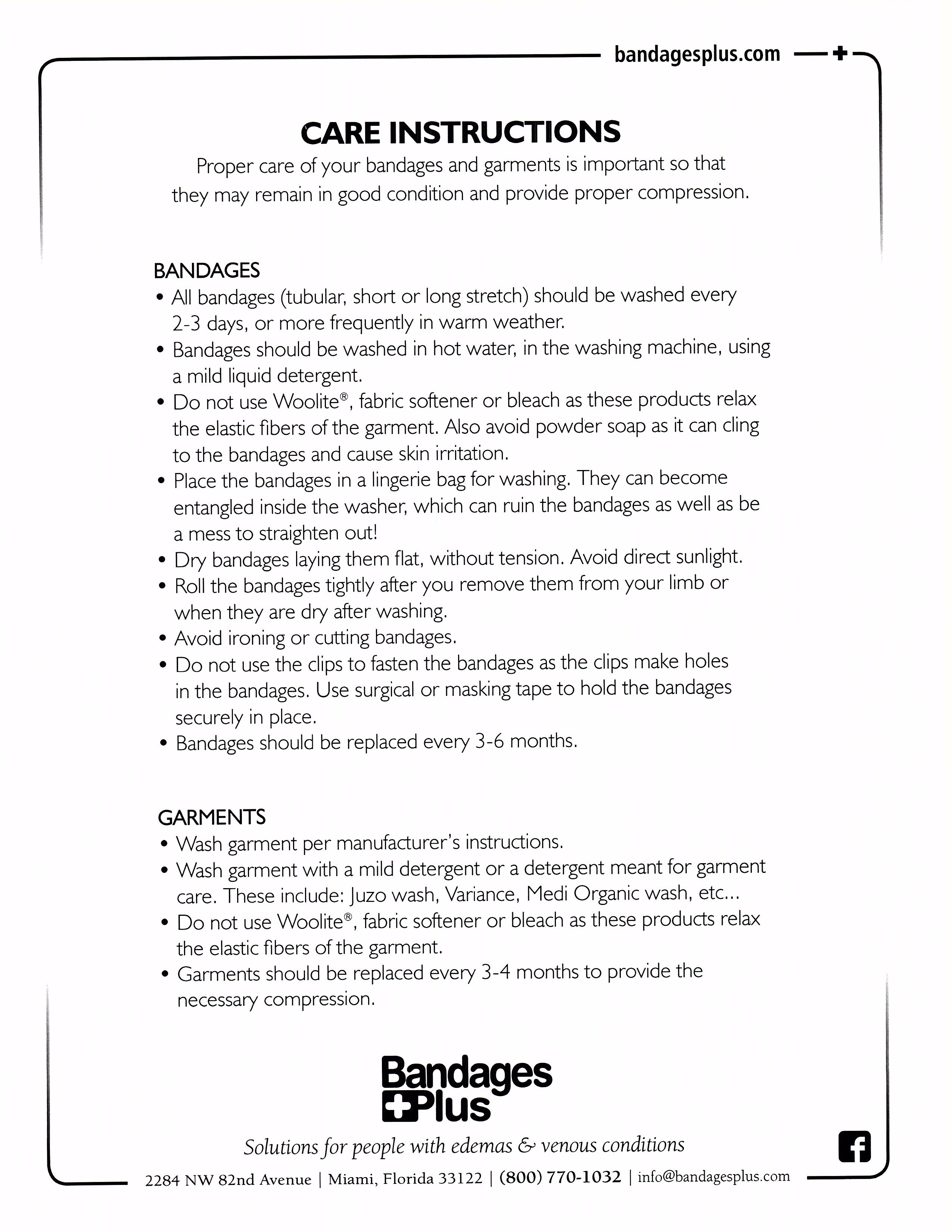
For compression socks for lymphedema and venous disease to be effective, they need to remain in good condition so that the socks can provide the proper amount of pressure. Taking good care of your graduated compression socks, and replacing them at regular intervals, you can help ensure that your lymphedema treatment or venous disease therapy is effective. Frequent washing of compression socks will help maintain elasticity and promote hygiene. Washing removes built-up sweat and body oils that break down elastic fibers in the compression stockings, while allowing the material to bounce back to its original compression strength.
Below are some tips for how to care for your medical compression socks in order to extend their useful life:
- always follow the manufacturer’s instructions when washing compression socks
- wash your compression socks every 2-3 days, or more frequently in warmer weather
- use a mild detergent or a detergent that is designed for compression garment care
- don’t use Woolite, bleach or fabric softeners (these products relax the elastic fibers, which can weaken the compression)
- don’t use a powdered laundry detergent (the soap can cling to the fabric and cause skin irritation)
- machine, tumble dry on the lowest heat setting
For more guidelines on compression garment care and maintenance, read the Bandages Plus Guide on garment care.
How often should I replace my medical compression socks / graduated compression socks?
Like any other form of clothing, after repeated use and care, your compression stockings will begin to wear out. To be effective for treating lymphedema or venous disease, your graduated compression socks need to provide the proper amount of pressure. Compression stockings should be replaced every 3-6 months (because they eventually lose shape, elasticity and the ability to compress, which can change the pressure that the compression socks are able to apply).
Are there alternatives to wearing traditional compression stockings?
If you find it too difficult to wear compression stockings, you can consider compression wraps for legs as an alternative. While both compression wraps for legs and graduated compression stockings provide needed compression for treating lymphedema and venous disease, compression leg wraps offer certain advantages over traditional compression stockings. Compression leg wraps:
- are easier to put on and take off, especially if you have mobility issues, are unable to bend over or lack the arm strength to pull on a compression stocking
- are easily adjusted for the desired compression, and for accommodating fluctuations in swelling throughout the day
- can be worn at nighttime or during periods of rest simply by loosening the adjustable Velcro bands on the compression wrap
- are less likely to move or slip, and cause skin irritations
About Bandages Plus
Founded in 1992 by a lymphedema specialist to provide products to patients, therapists, and hospitals, Bandages Plus is now one of the nation's leading suppliers of lymphedema products, compression stockings for venous insufficiency, compression stockings for varicose veins and vein disease, and much more! Located in Miami, Florida, we ship products to hospitals, healthcare facilities and customers across the U.S. We are also a Certified Veteran-Owned Small Business (VSOB).
••••••••••••••••••••••••••••••••••••
Popular search terms for medical compression stockings and graduated compression socks
Medical Compression Stockings Graduated Compression Stockings Compression Stockings Flight Socks Medical Grade Compression Stockings Compression Socks Best Compression Socks Graduated Compression Socks Compression Sock Medical Grade Compression Socks
Compression Stockings For Women Compression Stockings For Men Men’s Compression Stockings Womens Compression Stockings Medical Compression Stockings For Women Compression Socks For Men Compression Socks For Women Best Compression Socks For Women Womens Compression Socks Mens Compression Socks Compression Socks Women Best Compression Socks For Men Men’s Compression Socks Women’s Compression Socks Women’s Socks Compression
Knee High Compression Stockings Thigh High Compression Stockings Compression Stockings Thigh High Open Toe Compression Stockings Toeless Compression Stockings Toeless Compression Socks Thigh High Compression Stockings For Women Thigh High Compression Socks Knee High Compression Socks Ankle Compression Socks Cotton Compression Socks Plus Size Compression Socks Bamboo Compression Socks
Compression Stockings For Lipedema Compression Stockings For Edema Compression Stockings For Water Retention Compression Stockings For Varicose Veins Compression Stockings For Blood Clots Masternity Compression Stockings Varicose Compression Stockings Lymphedema Compression Stockings Compression Stockings For Aching Legs Compression Stockings For Standing All Day Compression Stockings And Varicose Veins Deep Vein Thrombosis Compression Stockings Compression Stockings For Lymphedema Compression Stockings For Venous Insufficiency Compression Stockings For Venous Leg Ulcers Compression Socks For Improved Circulation Compression Socks For Edema Compression Socks For Flying Compression Socks For Travel DVT And Compression Socks Varicose Compression Socks Athletic Compression Socks Athletic Socks Compression Compression Socks For Lymphedema Compression Socks Edema Pregnancy Compression Socks For Swelling Medical Compression Socks Running Compression Socks Compression Socks Circulation Compression Socks For Neuropathy Compression Socks For Swollen Feet DVT Compression Socks Maternity Compression Socks Pregnancy Compression Socks Compression Ankle Socks For Swelling Compression Socks During Pregnancy Compression Socks For Athletes Compression Socks For Pregnancy Compression Socks For Pregnant Women Compression Socks For Tired Legs Compression Socks For DVT Compression Socks For Swellilng Feet Compression Socks For Varicose Veins Compression Socks Pregnancy Best Compression Socks For Swelling Diabetic Compression Socks Compression Socks For Venous Insufficiency
Jobst Compression Stockings Sigvaris Compression Stockings Juzo Compression Stockings Mediven Compression Stockings Sigvaris Medical Compression Stockings Sigvaris Stockings Compression Jobst Compression Socks Sigvaris Compression Socks Juzo Compression Socks CEP Compression Socks
15 20 mmhg Compression Stockings 20 30 mmhg Thigh High Compression Stockings 20 30 mmhg Compression Stockings Compression Stockings 20-30 mmhg 20-30 mmhg Compression Socks
Compression Stocking Size Chart Compression Stockings Sizes Compression Stockings Near Me Sock Aid For Compression Stockings
Benefits Of Compression Socks How To Put On Compression Stockings How To Measure For Compression Stockings Measuring For Compression Stockings When To Remove Compression Stockings After Surgery Who Should Wear Compression Stockings Can you Sleep In Compression Socks What Are Compression Socks For What Are Compression Socks Used For What Do Compression Socks Do Compression Socks Benefits How Do Compression Socks Work Can You Wear Compression Socks To Bed How Long Should You Wear Compression Socks Should You Sleep In Compression Socks Should You Wear Compression Socks To Bed How Long Can You Wear Compression Socks How Long To Wear Compression Socks How To Put On Compression Socks Are Compression Socks Good For You How Compression Socks Work When To Wear Compression Socks What Does Compression Socks Do How Tight Should Compression Socks Be What Are Compression Socks Good For What Do Compression Socks Help With How Long Should I Wear Compression Socks